hacked by trenggalek6etar
— JATIM4U —
Jangene_Cakep – Panataran – 0x1999 – 0xIDiot – Unlucky – Mr.Optimuz_Root
— JATIM4U —
Jangene_Cakep – Panataran – 0x1999 – 0xIDiot – Unlucky – Mr.Optimuz_Root

When it comes to brightening up your entryway, battery-operated puck lights are a fantastic solution, and yes, they’re generally super easy to install. In most cases, you’re looking at a peel-and-stick backing, a magnetic mount, or a simple screw-in bracket, taking mere minutes to get them up and running. These little lights offer a lot of flexibility without the hassle of wiring, making them a popular choice for all sorts of nooks and crannies.
The entryway of your home sets the tone. It’s where you greet guests, kick off your shoes, and often search for keys in the dark. Good lighting here isn’t just about aesthetics; it’s about practicality and safety.
One of the biggest advantages is circumventing electrical work. No need to call an electrician, no fishing wires through walls, and no dealing with unsightly cords. This is especially useful in older homes or rental properties where permanent alterations aren’t an option.
Because they don’t need a power outlet, you can literally put these lights almost anywhere. Want to highlight a piece of art? Illuminate a dark corner? Or just add some ambient warmth? You have complete freedom.
Compared to installing traditional wired fixtures, puck lights are significantly more affordable. The initial purchase price is low, and the lack of installation costs keeps your budget happy.
While we’re championing “easy install,” it’s good to know the common methods you’ll encounter. This helps you choose the right light for your specific needs and surface.
This is probably the most common and often the easiest method. The back of the puck light has a strong adhesive pad.
For the adhesive to properly stick, the surface needs to be clean, dry, and smooth. Wipe down the area with rubbing alcohol and let it dry completely before attaching the light. Dust, grease, or uneven textures will compromise the bond.
While incredibly convenient, be aware that some adhesives are stronger than others. They’re great for temporary solutions or if you anticipate wanting to move the lights. However, extreme temperatures or high humidity can degrade the adhesive over time.
Many puck lights come with a small metal plate that you adhere to your desired surface. The light itself then has a magnet that snaps onto this plate.
This method is fantastic for battery replacement. Instead of peeling the whole light off the wall (and potentially damaging the paint), you just pull the magnetic light off its base, change the batteries, and snap it back on.
If you have a metal door frame or a metal shelf in your entryway, some puck lights can directly attach to the metal without needing the adhesive plate, offering even more flexibility.
Some more robust puck lights, or those designed for a slightly more permanent placement, might come with a small mounting bracket that you screw into the wall or ceiling. The light then twists or clips onto this bracket.
This method offers the most secure hold, making it ideal for high-traffic areas or if you’re worried about accidental bumps knocking the light off.
You’ll need a screwdriver (and possibly a drill for pilot holes, depending on the surface) for this method. It’s still very easy, but not as tool-free as peel-and-stick.
Beyond installation, certain features make battery-operated puck lights more practical and enjoyable for an entryway.
Don’t just pick any light. Think about how much illumination you actually need and what kind of ambiance you prefer.
An entryway often needs functional light. Look for lights with at least 50-100 lumens for general accent lighting. If you’re using it to help you see locks or steps, aim higher, perhaps 150-200 lumens per puck light, or use multiple lights strategically.
Light color is measured in Kelvin (K).
This is arguably one of the most useful features for an entryway.
Imagine walking in with groceries or fumbling for keys – the light just comes on! It’s incredibly convenient and enhances safety by preventing trips or fumbles in the dark.
Motion sensors ensure the lights are only on when needed, significantly extending battery life. Look for models with adjustable sensitivity and an auto shut-off timer (e.g., turns off after 20-30 seconds of no motion).
Understanding this helps manage expectations and avoid frequent battery changes.
Most puck lights use AAA, AA, or sometimes CR2032 coin cell batteries. AAA and AA are generally preferred as they’re widely available and often rechargeable.
The brightness setting, how often the motion sensor is triggered, and the quality of the batteries all impact lifespan. A good quality set of batteries might last several months to a year under typical entryway use.
While not essential, a remote control can add a layer of convenience.
With a remote, you can turn lights on/off, dim them, change colors (if applicable), or set timers without needing to physically reach each puck light. This is great for lights placed higher up or in less accessible spots.
Where you put these lights can dramatically change their effectiveness and the overall feel of your entryway.
Think about what needs to be seen and where shadows tend to lurk.
This ensures you can easily see what you’re grabbing or hanging up, especially helpful for darker coats or items.
If you have a console table with cubbies or a small cabinet for shoes and keys, a puck light inside makes finding things much easier.
Pointed downwards, these can highlight decorative items on the shelf or provide soft ambient light to the surface below.
Lighting isn’t just about looks; it’s about preventing accidents.
If your entryway has a slight step or transitions into a darker hall, low-mounted puck lights can act as subtle path lighting, guiding you safely.
A common frustrating moment is fumbling for the keyhole in the dark. A puck light near the lock can save a lot of irritation.
Puck lights excel at adding subtle layers of light to enhance your decor.
Mounted above a framed picture or mirror, they can draw attention to these elements and add depth to the space.
If your entryway has built-in shelves or decorative alcoves, puck lights can beautifully illuminate objects within them.
Even with “easy install” items, a few hiccups can occur. Here’s how to address them.
If your peel-and-stick lights keep falling, it’s almost always a surface issue.
Go back to basics. Clean the surface thoroughly with isopropyl alcohol. Let it air dry completely. Consider waiting 24 hours before re-applying if humidity is an issue.
If the provided adhesive isn’t strong enough, try a stronger mounting tape (like 3M VHB tape) or, if possible, switch to magnetic or screw-in mounting.
This is a common complaint, but often has a simple explanation.
Cheap batteries often have a short lifespan. Invest in reputable alkaline or rechargeable batteries. Rechargeables are a great long-term solution.
If your light is in a very high-traffic area, or if pets are constantly setting it off, consider adjusting the sensor’s sensitivity or moving the light slightly to a less “active” zone.
Many puck lights offer multiple brightness levels. Running them at full brightness will drain batteries faster. If possible, opt for a lower setting that still provides adequate light.
Sometimes the sensor can be finicky.
Ensure there’s nothing obstructing the sensor’s view, like a hanging coat, a plant, or a decorative item.
Extreme temperatures (very cold or very hot) can affect sensor performance. Also, rapid changes in ambient light can sometimes confuse a passive infrared (PIR) sensor.
Low battery power can sometimes cause erratic sensor behavior. Try a fresh set of batteries.
While low maintenance, a little care goes a long way in keeping your lights happy and bright.
Don’t wait for your lights to die completely. If you notice them dimming, it’s a good time to swap batteries. Mark your calendar for a periodic battery check, say every 3-6 months, depending on usage.
Dust can accumulate on the light lens, dimming the output, and on the motion sensor, reducing its effectiveness. A quick wipe with a soft, dry cloth every few weeks will keep them performing optimally. Avoid harsh chemical cleaners as they can damage plastic.
Always dispose of used batteries responsibly. Many communities have recycling programs for batteries. Avoid throwing them in regular trash, as they contain chemicals that can harm the environment.
Choosing easy install battery-operated puck lights for your entryway is a smart, versatile, and budget-friendly decision. With a little thought about placement and features, you can create a welcoming, safe, and beautifully lit first impression for your home without ever touching a wire.
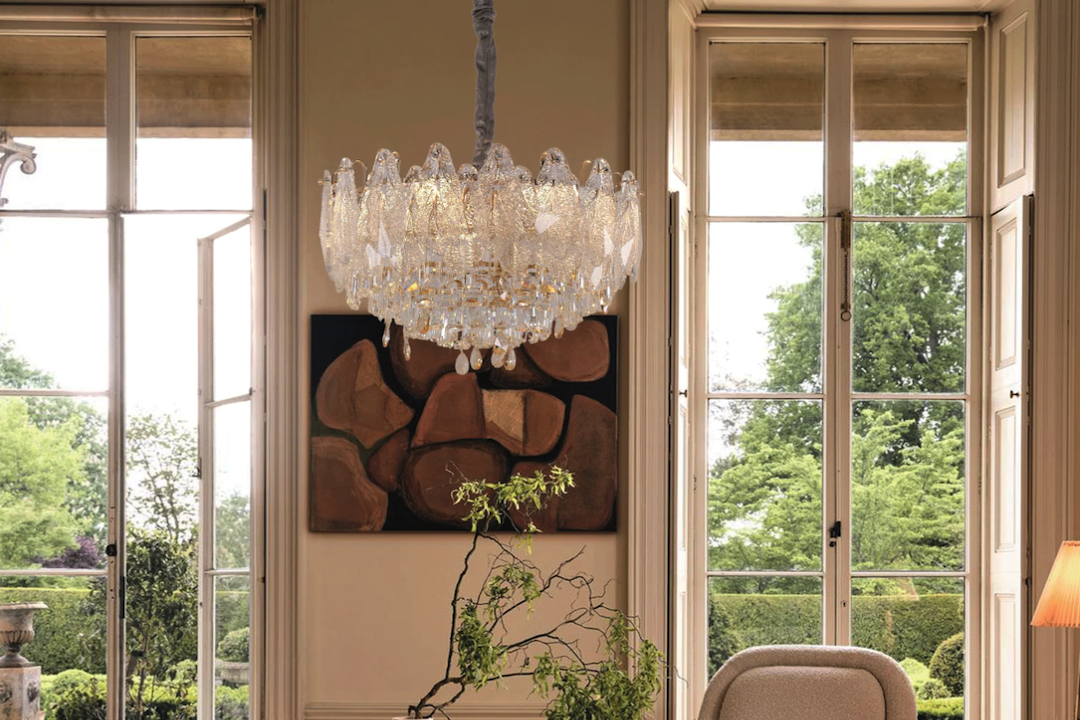
Thinking of a major upgrade for your dining room? You’ve probably scrolled through a million pictures of stylish spaces, and chances are, a stunning chandelier caught your eye. If you’re aiming for that sophisticated, welcoming vibe that screams “luxury dining,” a chandelier in champagne gold is seriously worth considering. It’s not just about shiny things; it’s about creating an atmosphere that makes every meal feel special. This article will dive into why a champagne gold chandelier works wonders for a luxury dining room, covering everything from its aesthetic appeal to practical considerations.
Champagne gold isn’t your everyday bright, brassy gold. It has a softer, more muted quality, reminiscent of the actual beverage. This subtle warmth and refined sheen are precisely what make it so effective in a luxury setting.
Perhaps the most significant role a chandelier Enconco plays is as the room’s undisputed centerpiece. A champagne gold chandelier is particularly adept at this.
The beauty of champagne gold is that it’s incorporated into a vast array of chandelier designs, fitting virtually any aesthetic.
Beyond the pure aesthetics, thinking about how the chandelier will fit into your space practically is key.
A champagne gold chandelier won’t exist in a vacuum; it needs to seamlessly blend with your existing or planned decor.

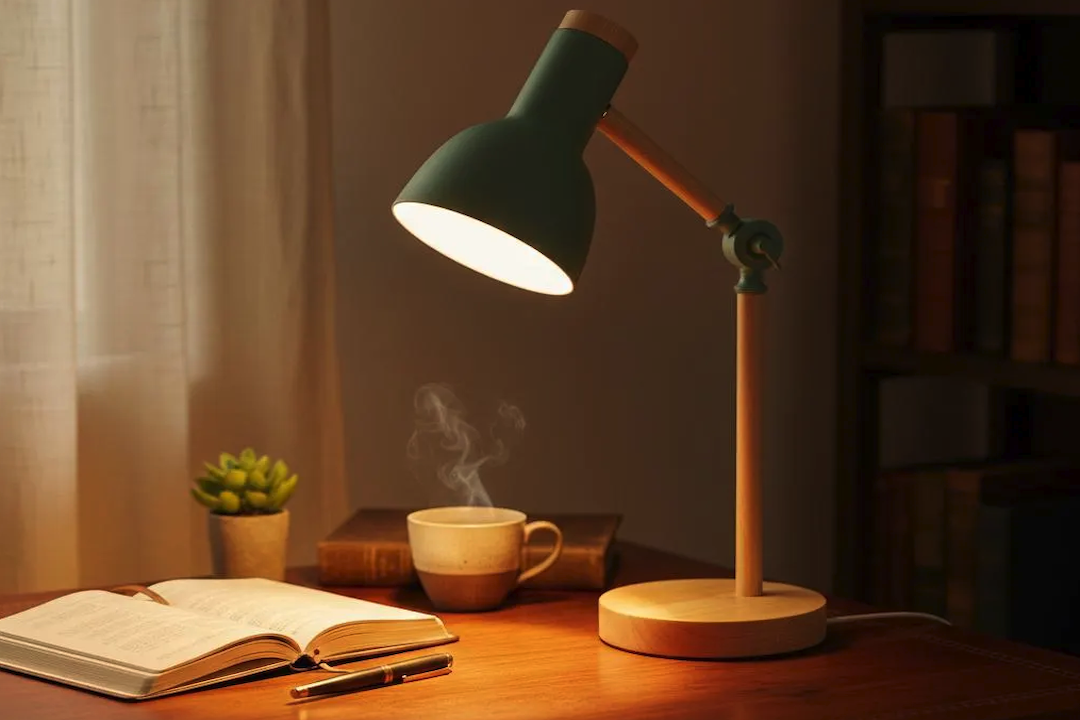
When it comes to outfitting a study room, one piece often overlooked in its impact is the desk lamp. Sure, it provides light, but a well-chosen lamp, especially a Scandinavian-style solid wood one, can seriously elevate your workspace, making it more inviting, functional, and even inspiring. It’s not just about illumination; it’s about creating an atmosphere that promotes focus and comfort.
The Scandinavian design philosophy is all about simplicity, functionality, and a connection to nature. This translates beautifully into a study environment, which benefits greatly from these principles.
One of the hallmarks of Scandinavian design is its minimalist approach. There’s an emphasis on clean lines and uncluttered spaces. In a study, this is gold. A bulky, ornate lamp Posnano can be a visual distraction, taking up precious desk real estate and contributing to a feeling of chaos. A Scandinavian-style lamp, with its streamlined form, helps keep your workspace feeling calm and organized, allowing your mind to focus on the task at hand.
Scandinavian design heavily features natural materials, particularly wood. This isn’t just an aesthetic choice; it brings an inherent warmth and organic texture into a room. In a study, which can sometimes feel sterile (especially with a lot of tech), the presence of solid wood in your desk lamp can soften the environment, making it feel more comfortable and less overwhelming. It introduces a touch of nature indoors, which can be surprisingly calming and rejuvenating.
Functionality is never an afterthought in Scandinavian design; it’s fundamental. This means a solid wood desk lamp in this style won’t just look good; it’ll be designed to perform its primary function exceptionally well. Think adjustable arms, diffused light, and stable bases – all working together to provide optimal lighting for reading, writing, or working on your computer.
Beyond its Scandinavian connection, the choice of solid wood for a desk lamp brings its own set of advantages. It’s not just a trend; it’s a timeless material.
Unlike composite materials or veneers, solid wood is inherently robust. A solid wood desk lamp is built to withstand the test of time, resisting dings and dents that might mar a less substantial piece. This means your investment is likely to last for many years, even decades, becoming a staple in your study rather than a temporary fixture.
Every piece of solid wood tells a story through its grain. No two solid wood lamps will be exactly alike, offering a unique character that synthetic materials simply can’t replicate. This natural variation adds a subtle interest to your desk, preventing it from feeling too generic or mass-produced. It’s a small detail that can make a big difference in the overall feel of your study.
Solid wood doesn’t just last; often, it improves with age. Depending on the type of wood and how it’s finished, it can develop a beautiful patina over time, deepening in color and character. This means your lamp won’t look dated after a few years; instead, it will gain a richer personality, becoming an even more cherished part of your study.
When you’re shopping for a lamp, it’s easy to get caught up in aesthetics alone. But for a study lamp, practical features are just as important.
A static light source can be limiting. A good study lamp needs to be adaptable.
Look for lamps with articulated arms or swivel joints. This allows you to direct light precisely where you need it, whether you’re focusing on a book, a keyboard, or a notebook. The ability to adjust height and angle means you can minimize glare and maximize illumination on your specific task. This flexibility is crucial for preventing eye strain during long study sessions.
While not strictly a “wood” feature, dimmable functionality is incredibly useful. It allows you to tailor the light intensity to different tasks and times of the day, from bright, focused light for intricate work to a softer glow for late-night reading or ambient illumination. Some lamps offer step dimming, while others provide a continuous range.
The type of light emitted is just as important as where it’s directed.
The shade plays a critical role in how light is distributed. Scandinavian style often favors shades that diffuse light softly, preventing harsh glares. Look for shades made from frosted glass, linen, or even thinly sliced wood veneer that allows light to pass through subtly. The shape of the shade also matters; wider, open shades will cast a broader light, while narrower ones will create a more focused beam.
While many modern Scandinavian lamps come with integrated LED lights, if you’re choosing a lamp with a standard socket, consider the bulb type. Warm white (2700K-3000K) is generally preferred for study spaces as it’s less harsh on the eyes than cooler temperatures and promotes a more relaxed atmosphere, while still being bright enough for focus. LED bulbs are energy- efficient and long-lasting, minimizing the need for frequent replacements.
A wobbly lamp is an annoying and potentially dangerous lamp.
Especially important for lamps with articulated arms, a heavy, stable base prevents tipping. This ensures your lamp stays put, even when adjusted to an awkward angle. Solid wood bases often provide this inherent stability due to the material’s density.
While some lamps might have a larger presence, consider how much desk space the base and overall footprint will occupy. Scandinavian design tends to be mindful of space, often featuring slimmer profiles or clever bases that don’t dominate your workspace. Think about how much room you have to work with on your desk and choose accordingly.
A desk lamp isn’t an island; it’s part of a larger ecosystem.
The beauty of Scandinavian design is its versatility.
Scandinavian style often leans into neutral color palettes – whites, grays, and soft blues, often accented with natural wood tones. A solid wood lamp will naturally complement these schemes, adding warmth without clashing. If your study has bolder colors, a wooden lamp can act as a grounding element, bringing a sense of organic calm.
Don’t be afraid to mix and match. A solid wood lamp will look stunning alongside metal accents (like a sleek monitor stand), glass elements (a water carafe), or textile textures (a comfy chair or a woolen throw). The natural simplicity of wood allows it to blend seamlessly while still standing out as a quality piece.
While designed for the desk, these lamps can be versatile.
If your study doubles as a guest room or if you simply enjoy reading in bed, a smaller Scandinavian solid wood desk lamp can make an excellent bedside companion. Its gentle illumination and calming aesthetic are perfect for winding down.
A particularly stylish solid wood lamp can also serve as accent lighting on a bookshelf or credenza. It can highlight a collection of books, a piece of art, or simply add a warm glow to a less-used corner of the room, enhancing the overall ambiance of your study.
Solid wood is durable, but a little care goes a long way in preserving its beauty.
Regular dusting is your best friend. Use a soft, dry cloth to gently wipe down the wooden components. Avoid abrasive cleaners or harsh chemicals, which can strip the finish and dull the wood. For more stubborn marks, a lightly damp cloth followed by immediate drying can work, but always test on an inconspicuous area first.
Different wood finishes require different care.
If your lamp has an oil or wax finish, it might benefit from occasional re-oiling or re-waxing. This helps to nourish the wood, prevent drying, and maintain its luster. Always use products specifically designed for wood furniture and follow the manufacturer’s instructions. This might be something you do once a year, or less frequently, depending on the wood and environmental conditions.
These finishes are more protective and generally require less maintenance. They form a hard barrier over the wood. For these, simply keeping them clean and avoiding scratches is usually sufficient. Be mindful of placing hot or wet items directly on the lamp base, as this can damage the finish over time.
Wood is a natural material and can be affected by its surroundings.
Rapid changes in humidity and temperature can cause wood to expand, contract, or even crack. Try to place your lamp in a stable environment, away from direct heat sources like radiators or vents, and out of direct sunlight, which can fade the wood over time. A relatively stable room temperature and humidity level are ideal for preserving wood furniture.
A solid wood Scandinavian desk lamp might feel like a larger initial investment compared to a plastic or metal alternative, but it’s an investment that pays dividends.
Its durability means it won’t need replacing often, saving you money in the long run. Its timeless design ensures it won’t go out of style, making it a piece you’ll appreciate for years to come. This isn’t a disposable item; it’s a foundational piece for your study.
Beyond the practicalities, there’s the intangible benefit of working in a beautifully lit, comfortable environment. Quality lighting reduces eye strain, improves focus, and can even boost your mood. The presence of natural materials like solid wood can create a more pleasant and productive atmosphere, making your study hours more enjoyable and effective.
Choosing solid wood often means supporting manufacturers and artisans who value quality materials and skilled craftsmanship. It’s a choice that reflects an appreciation for well-made items over mass-produced ones, contributing to a more sustainable consumption approach.
In essence, a Scandinavian-style solid wood desk lamp is more than just a light source; it’s a statement piece that embodies functionality, natural beauty, and enduring quality. It transforms your study from merely a workspace into a truly inviting and inspiring environment.

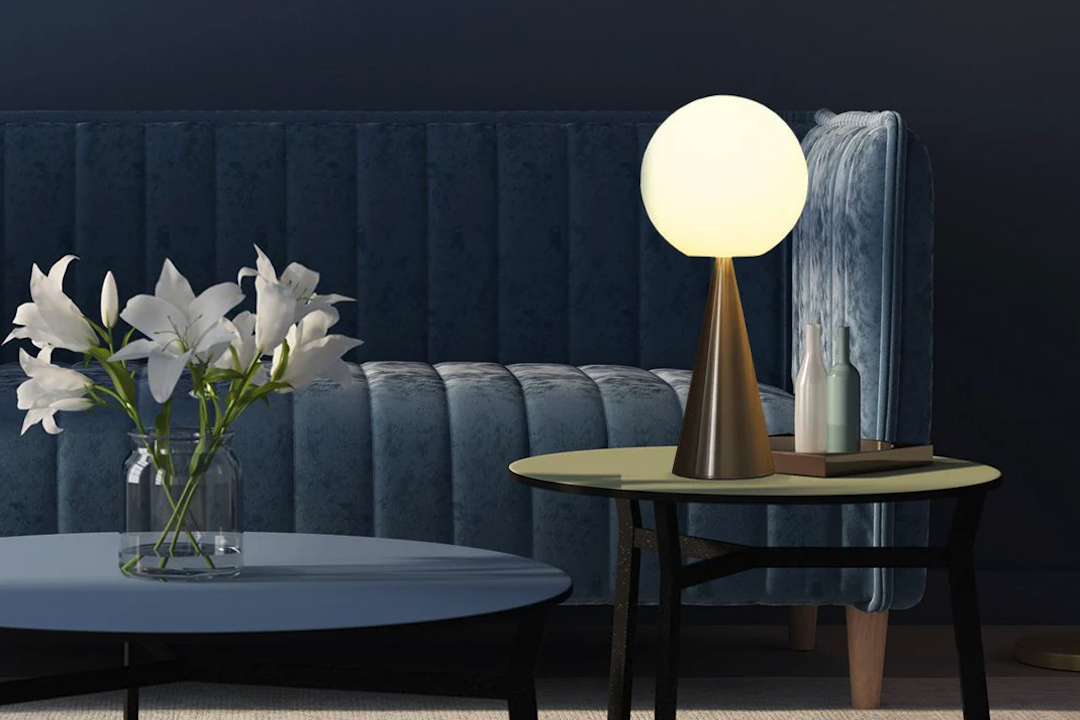
So, you’re thinking about a glass globe table lamp for your living room, huh? That’s a pretty solid choice, honestly. If you’re looking for something that’s a bit chic, a bit minimalist, and can really set a mood, a glass globe lamp is definitely worth considering. They’re not just pretty to look at; they’ve got a lot going for them in terms of functionality and how they can shape the feel of your space.
Let’s be real here, a glass globe lamp isn’t just a light Acorohome source; it’s a design element. When you’re trying to figure out the best way to decorate a modern living room, you’re essentially trying to create a vibe, a feeling. And a glass globe can seriously contribute to that. It’s got this inherent simplicity about it that lends itself well to modern aesthetics, but it can also bring a touch of something softer, something more sculptural.
The beauty of a glass globe lamp often lies in its straightforward form. There aren’t usually a lot of fussy details or extraneous bits. It’s the sphere, the material, and the light it emits. This simplicity is a huge plus in modern interiors, which often favor clean lines and uncluttered surfaces. It’s like a polished stone or a perfectly formed orb – it just looks right without needing to shout about it. This understated elegance means it can blend into various modern styles without overpowering anything else you’ve got going on.
Think of it as a piece of art that also happens to illuminate your room. The transparency or varying opacities of the glass can be really captivating. It’s not just about the light being cast out, but how the light interacts within the globe itself. This adds a layer of visual interest that a standard lampshade just doesn’t offer. It becomes a focal point, a conversation starter, even when it’s not switched on.
So, you’ve got this cool lamp. Now, where does it actually go? Placement is key to unlocking its full potential in your living room. It’s not about just sticking it anywhere; it’s about thinking about how it can enhance the functionality and the ambiance of different areas.
If you have a favorite armchair or a small reading corner, a glass globe lamp can be the perfect addition. Positioned on a side table next to your reading spot, it provides focused light for your book or e-reader without being harsh. The soft, diffused glow from the globe can make this space feel even more inviting and intimate, turning it into your personal sanctuary.
Placing a glass globe lamp on a console table or a side table next to your sofa can offer ambient light for the whole seating area. It’s about creating a warm, welcoming atmosphere for relaxing or entertaining. It adds a subtle glow that breaks up the potential for harsh overhead lighting and makes the space feel more lived-in and comfortable.
Even if it’s technically in your living room, a console table against a wall can be a great spot for a glass globe lamp. This is especially effective if it’s visible from your entryway. It can be the first hint of the stylish warmth that awaits within your living space, offering a subtle welcome to guests.
This is where the glass globe lamp really shines – literally. The way it disperses light is a significant design feature that can dramatically alter the mood of your living room. It’s not just about brightness; it’s about the quality of the light.
Many glass globe lamps are designed to diffuse light beautifully. This means the light source itself is hidden or softened by the glass, resulting in a gentle, spread-out illumination. This is fantastic for creating a relaxed evening ambiance. Unlike a lamp with a stark shade that casts sharp shadows, a globe lamp can provide a more serene and even glow, perfect for unwinding after a long day. Some designs might offer a more direct light depending on the base and how the globe is constructed, which can be useful for specific tasks.
The type of bulb you choose also plays a massive role. Opting for warm-toned LED bulbs can enhance the cozy, inviting feel. Think about the temperature of the light – that “warm white” range (around 2700K to 3000K) is usually the sweet spot for living rooms, creating a relaxing and comfortable atmosphere. A glass globe can beautifully amplify this warmth, making your living room feel like a comforting hug.
While we’re talking “glass globe,” there’s actually a surprising amount of variation when you start looking closer at the materials and finishes. These details can significantly impact the overall aesthetic and how the lamp integrates with your existing decor.
Clear Glass: Offers a clean, modern look. The light passes through unhindered, and you can often see the bulb itself, which can be an aesthetic choice if you opt for vintage-style Edison bulbs. Clear glass also tends to make the space feel a bit more open.
Frosted Glass: This is a popular choice because it softens the light considerably, creating that diffused, ambient glow we talked about. Frosted glass can also add a subtle texture and a touch of elegance. It’s a great option if you want to avoid any glare.
Opaque or Tinted Glass: Some globes might be more opaque, or have a subtle tint (like amber, grey, or even a smoky blue). These can add a distinct color cast to the light and a unique visual character, especially when the lamp is on. A tinted globe can really contribute to a specific mood or color palette in your room.
The base of your glass globe lamp is just as important as the globe itself. It’s what grounds the design and connects it to your floor or table.
Metal Bases:
Wood Bases:
Marble or Stone Bases: These add a sense of luxury and substantiality. A marble base, especially white or grey, can complement the smooth, clean lines of the glass globe beautifully and elevate the overall design.
Once you’ve chosen your lamp and found its perfect spot, there are still ways to maximize its impact. Styling is all about integrating it seamlessly into your existing decor and making it work harder.
Don’t underestimate the power of your bulb choice!
Before you get too swept up in the aesthetic, let’s cover some practical aspects of choosing and using a glass globe table lamp. These are the things that make a difference in day-to-day living.
When you’re browsing, don’t just grab the first one you see. Measure the space where you intend to put it.
Glass globe lamps are often more about ambiance than task lighting, but this can vary.
It’s the little things that make living with a lamp easier.
By considering these practical points alongside the style, you’ll end up with a glass globe table lamp that not only looks fantastic but also serves your living room well.

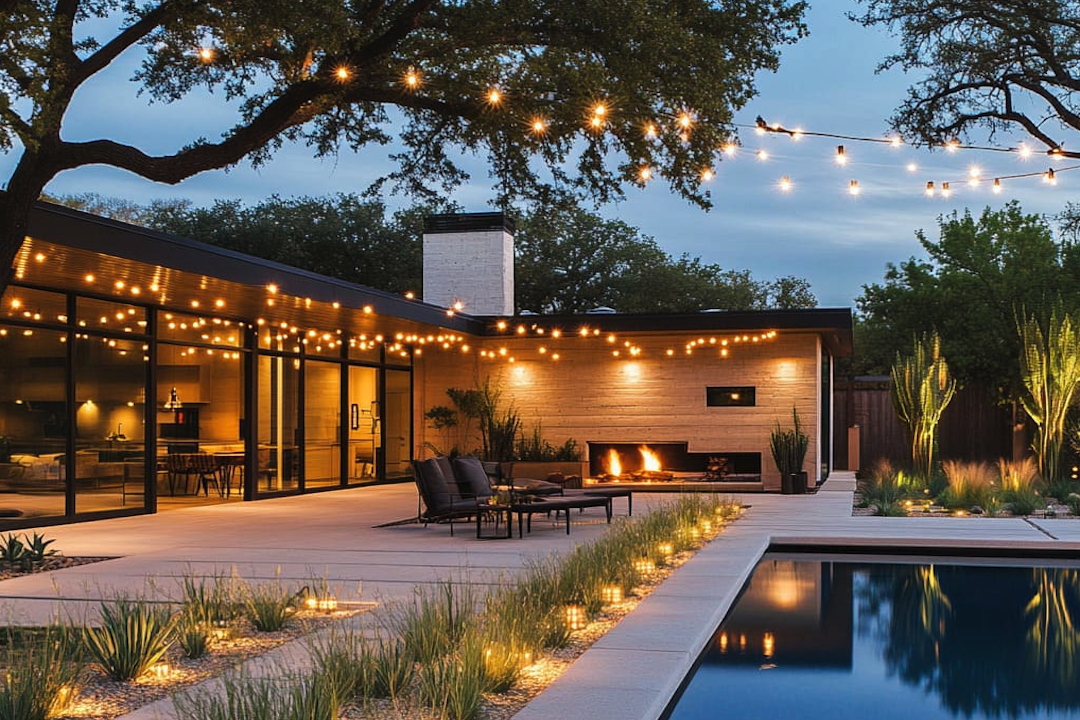
Let’s talk about making your backyard more than just a patch of grass. We’re diving into backyard ambient lighting – the kind that transforms your outdoor space into a cozy, inviting spot after the sun goes down. Think less “party lights” and more “relaxing retreat.” It’s about creating a mood, making your yard functional and beautiful for those evening hours.
So, what exactly is ambient lighting Yigolighting for your backyard? It’s not about floodlights that turn your lawn into a sports stadium. Instead, it’s about subtle, layered illumination that enhances your existing space. It draws attention to key features, creates welcoming pathways, and most importantly, sets a relaxing, enjoyable atmosphere. It’s the difference between a dark void and an extension of your living room. Think soft glows, gentle uplighting, and strategically placed accents.
Before you start buying up every string light you see, a little planning goes a long way. Think about how you use your backyard. Do you dine al fresco? Relax with a book? Entertain friends? Your lighting should support these activities.
Every outdoor space has areas that need to be illuminated for practical reasons. This isn’t about making things pretty; it’s about safety and usability.
Nobody wants to stumble in the dark. Landscape path lights are your best friend here. They are typically low to the ground and cast a soft downward glow, clearly marking your garden paths, walkways, and even the steps to your deck.
If your yard has different levels or stairs, lighting them is crucial for preventing trips and falls.
Your entryway is the first impression. Ambient lighting can make it welcoming and secure.
Your backyard likely has different functional areas. Lighting can help define these and make them feel more intentional.
This is where ambient lighting truly shines. You want a warm, inviting glow that encourages lingering and conversation.
Whether it’s a comfy chair on the deck or a secluded bench, this area deserves its own special lighting.
What are the focal points of your backyard? A beautiful tree, a water feature, a sculpture? Lighting can make them pop.
Now that you know what you want to light, let’s look at the how. There’s a variety of lighting types, each with its own strengths.
This is often the workhorse of backyard ambient lighting. It’s versatile, relatively safe, and can be quite elegant.
For the eco-conscious and those who prefer minimal wiring, solar is a fantastic option.
These are the go-to for creating that magical, inviting atmosphere.
These are your tools for drama and highlighting architectural or natural features.
Modern lighting offers more than just light; it offers control and efficiency.
This is arguably the most important feature for creating ambient lighting.
Automating your lighting adds convenience and saves energy.
The type of bulb you choose makes a big difference in energy use and longevity.
Getting the installation right means the difference between a professional finish and something that looks a bit “DIY.”
When working with electricity, even low-voltage, safety is paramount.
The goal is to showcase the light, not the hardware.
While many aspects of ambient lighting are DIY-friendly, there are times when calling in the pros makes sense.
Creating a modern outdoor oasis with backyard ambient lighting is less about overwhelming brightness and more about thoughtful illumination that enhances your space and your lifestyle. By planning, choosing the right fixtures, and paying attention to details, you can transform your backyard into a magical retreat, ready for evening enjoyment.

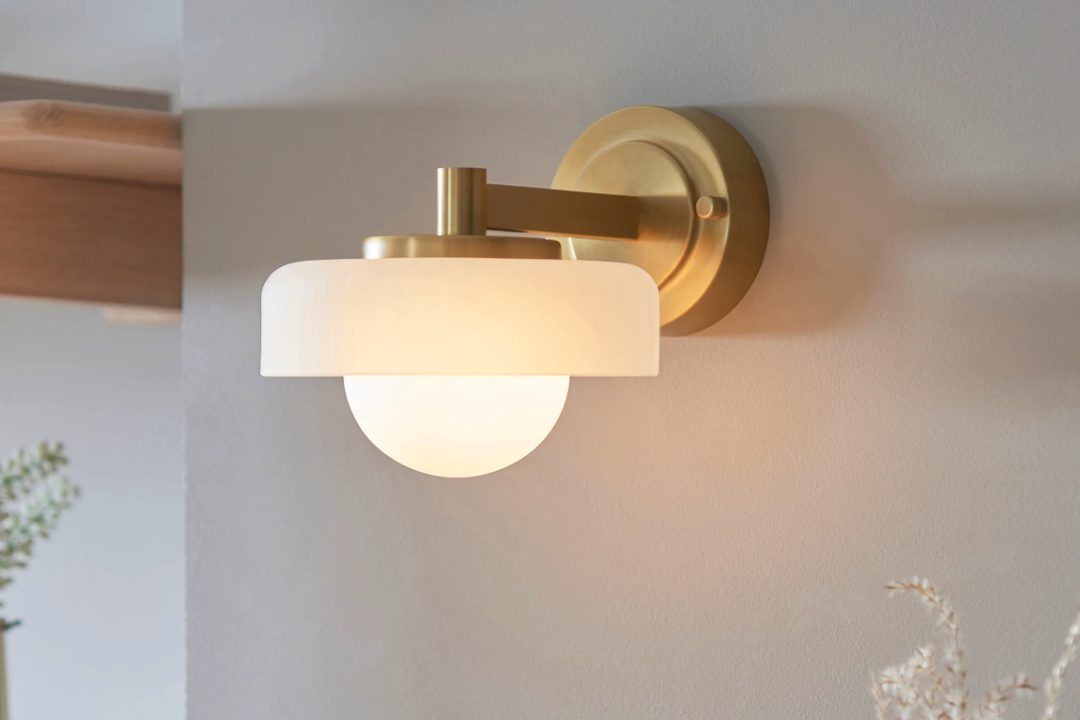
Opal glass wall sconces can be a great choice for hallway lighting because they offer a diffused, even light that’s easy on the eyes. This type of sconce helps to eliminate harsh shadows and glare, making a hallway feel more inviting and less like a sterile corridor. The opaque nature of the opal glass means you get a gentle wash of light rather than a direct beam, which is often preferable in transitional spaces like hallways where you don’t need intense task lighting.
Opal glass, also known as milk glass, is designed to scatter light. This diffusion is key in hallways, preventing bright spots and dark corners. Unlike clear glass, which can create glare or highlight Yigolighting imperfections on walls, opal glass softens the light, making the space feel more continuous and less fragmented.
One of the biggest advantages of opal glass is its ability to minimize shadows. Hallways are often narrow and can feel enclosed, and strong shadows from direct lighting can exacerbate this. Opal glass sconces create a much more uniform illumination, reducing the stark contrast between light and dark areas. This makes the hallway feel more open and less cramped.
Direct, exposed bulbs can be unpleasant, especially in a hallway where you’re moving through the space. With opal glass, you’re looking at a soft, luminous surface rather than a bright point of light. This significantly cuts down on glare, which is important for comfort and safety, particularly if you’re navigating the hallway at night and your eyes haven’t fully adjusted to brighter light.
Opal glass has a timeless appeal. It’s not a flashy material, which means it can blend with various interior styles without clashing. Its understated character allows it to complement both traditional and modern decor.
Getting the size and placement right for your sconces is crucial for both their looks and their function. Too small, and they disappear; too large, and they can dominate the space. Incorrect placement can lead to uneven lighting or an awkward visual.
Consider the scale of your hallway. A longer or wider hallway might benefit from larger sconces or more of them spaced out. In a narrow, shorter hallway, smaller, more compact fixtures are usually a better fit. You want the sconces to feel proportionate to the wall they’re mounted on and the overall dimensions of the hallway. An overly large sconce in a tiny hallway can feel overwhelming, while a tiny sconce in a grand hallway can look lost.
A general rule of thumb for sconce height is about 60 to 70 inches from the floor to the center of the fixture. This places the light sources above eye level for most people, further reducing glare. However, this can vary based on ceiling height and the specific design of the sconce. If you have particularly high ceilings, you might go a bit higher. If the sconce casts light both upwards and downwards, ensure the upward light isn’t hitting the ceiling awkwardly early, and the downward light isn’t too close to the floor, creating an uneven pool.
For effective and even illumination in longer hallways, sconces are typically spaced 6 to 8 feet apart. This spacing helps to create a layered light effect, preventing dark spots in between fixtures. If your hallway is shorter, you might only need two sconces, one at each end, or even just one if it’s very short. The goal is to avoid overlighting or underlighting the space.
Opal glass sconces come in a wide array of designs, from minimalist to more decorative, with various metal finishes to complement your existing hardware and decor.
For a contemporary look, seek out simple geometric shapes. Think cylindrical, spherical, or rectangular opal glass shades paired with sleek metal bases in matte black, brushed nickel, or polished chrome. These designs emphasize clean lines and a pared-down aesthetic, fitting well with modern interior themes. The beauty of these styles lies in their simplicity and ability to blend seamlessly into a refined space.
If your home leans more towards classic or transitional styles, there are options that incorporate more ornate details or classic silhouettes. These might feature decorative backplates, curved arms, or fluted opal glass shades. Finishes like antique brass, oil-rubbed bronze, or aged pewter can enhance a traditional feel. The key here is not to be overly ornate, but to have subtle touches that evoke a sense of heritage without being overwhelming.
The metal finish of your sconce can significantly influence its overall appearance and how it integrates into the room.
Offers a bold, contemporary contrast, particularly against lighter walls. It provides a striking graphic element.
These cool-toned finishes are versatile and popular in modern and transitional settings. They offer a clean, understated look.
Warm and inviting, these finishes can add a touch of sophistication and warmth, especially in traditional or industrial-inspired spaces. They can develop a beautiful patina over time.
Beyond aesthetics, it’s practical to think through the installation process. This involves electrical readiness and future maintenance.
Most wall sconces require standard 120-volt wiring. If you’re replacing existing fixtures, check if the wiring is already in place and in good condition. If you’re adding new sconces to a hallway that was previously unlit, you’ll likely need to consult an electrician to run new wiring and install junction boxes. This ensures safety and compliance with local building codes. It’s a key first step that needs to be properly assessed.
For hallways, especially where you might want ambient light at night, dimmer switches are a useful addition. Ensure the bulbs you plan to use are dimmable and that your electrical system can support a dimmer switch. This allows you to adjust the light intensity to suit different moods or times of day, enhancing comfort and energy efficiency.
Think about how easy it will be to change bulbs. Some sconces have shades that are simple to remove, while others might require tools or more intricate manipulation. Opal glass tends to be easier to keep clean than clear glass, as dust and smudges are less noticeable, but periodic wiping will still be necessary to maintain its soft glow. Check the bulb type required (e.g., E26, G9) and its availability.
Lighting can be a significant part of your home’s energy consumption. Choosing energy-efficient options for your hallway sconces can reduce your electricity bills and environmental footprint.
Light Emitting Diodes (LEDs) are the most energy-efficient choice for virtually any lighting fixture. They consume significantly less power than traditional incandescent bulbs and have a much longer lifespan. This means fewer bulb changes and lower energy costs over time. When used with opal glass, LEDs can create a very even and pleasant light.
Instead of focusing on wattage (which indicates power consumption), pay attention to lumens, which measure brightness. For hallway sconces, you typically don’t need a lot of lumens per fixture, as you’re aiming for ambient light rather than intense illumination. A bulb in the range of 300-500 lumens per sconce is often adequate, depending on the number of sconces and the hallway size.
The color temperature of your LED bulbs will affect the atmosphere of your hallway.
This creates a cozy, inviting atmosphere, similar to traditional incandescent bulbs. It’s a popular choice for homes and can make a hallway feel welcoming.
This appears less yellow than warm white and can feel more crisp and bright without being stark. It’s a good middle-ground if you want clarity but still some warmth.
This white light is more akin to daylight and can feel more functional or modern. It can make spaces appear brighter and is often used in work areas, but for a hallway, it might feel a bit too clinical. It’s generally less preferred for creating a cozy residential atmosphere.
For optimal energy savings in a hallway, consider pairing your sconces with motion sensor switches. These turn the lights on when someone enters the hallway and off after a period of inactivity. This is particularly useful for reducing energy waste in areas that aren’t constantly occupied. It also adds a layer of convenience, eliminating the need to fumble for light switches in the dark.
In summary, opal glass wall sconces provide a practical and aesthetically pleasing lighting solution for hallways. Their ability to diffuse light, reduce glare, and minimize shadows creates a comfortable and inviting atmosphere. By paying attention to size, placement, design, and energy efficiency, you can select fixtures that not only illuminate your hallway effectively but also enhance your home’s interior design.

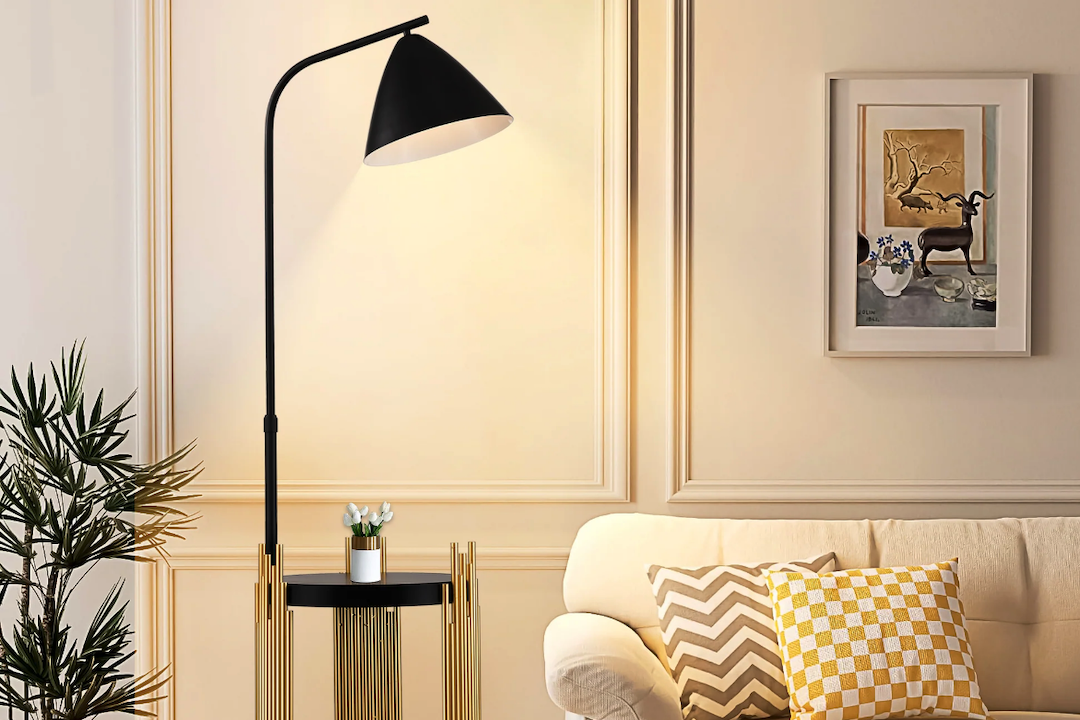
So, you’re thinking about a black metal floor lamp reading corner for your modern apartment? It’s a great idea, and thankfully, it’s not as complicated as you might think to pull off. The core idea is simple: use a sleek black metal floor lamp to create a dedicated, inviting spot for reading in your contemporary living space. This isn’t about reinventing the wheel; it’s about smart, functional design that adds both style and purpose.
At its heart, a black metal floor lamp Yigolighting reading corner is about pairing a utilitarian object – the lamp – with a specific activity – reading – and placing them in a way that enhances your apartment’s overall modern aesthetic. Black metal is a classic choice for a reason: it’s versatile, sophisticated, and holds its own without feeling overwhelming. It’s a workhorse material that fits seamlessly into a modern context.
Black metal, particularly in its brushed or matte finishes, has a timeless appeal that aligns perfectly with modern design principles. It avoids the flashiness of some materials and offers a grounding element. Think about it: it’s durable, easy to clean, and doesn’t scream for attention, which is often the goal in modern interiors where subtlety is key.
The magic of a reading corner is that it doesn’t require a lot of square footage. It’s about carving out a functional zone.
You don’t need a sprawling den for this. Even a small alcove or a neglected nook can be transformed. The key is to find a place that feels somewhat removed from the main thoroughfare of your apartment, offering a sense of privacy for focused reading.
Don’t just plop a lamp down anywhere. Think about how it will interact with the rest of your space.
This is where the “modern” aspect really comes into play. The lamp itself is the star, so selecting the right one is key.
Modern design favors clean lines, simple forms, and a lack of unnecessary ornamentation.
The material and finish are important. Black metal isn’t a monolithic entity.
A lamp alone doesn’t make a reading corner. You need comfortable seating and perhaps a place for your book and drink.
This is likely the primary piece of furniture that will define your reading spot.
You need a place for your current read, your beverage, and maybe your phone.
While the floor lamp is central, other lighting elements can enhance the atmosphere.
Modern interiors often benefit from multiple light sources.
The light itself matters for reading comfort.
Even the most modern space benefits from warmth and personality.
These elements soften the hard edges of modern design.
This is where your reading corner becomes uniquely yours.
By focusing on these practical elements, you can easily create a stylish and functional black metal floor lamp reading corner that enhances your modern apartment living. It’s about making intentional choices that combine form and function, ultimately leading to a more comfortable and enjoyable home.